Precision Dental Care Blog

Same-Day Emergency Root Canal Treatment in Federal Way

July 24, 2026

Filed under: Blogs — precisiondental @ 4:10 am

Tooth pain rarely arrives at a convenient time. It can start in the middle of a workday, wake you up at night, or flare up right before a weekend trip. When the pain becomes severe, throbbing, or accompanied by swelling, it often signals a problem deep inside the tooth that needs prompt attention. This is where same-day emergency root canal treatment becomes essential for residents dealing with dental emergencies in Federal Way.

This guide explains what a root canal emergency is, how urgent root canal treatment works, what symptoms indicate you need same-day care, and how to know if a dentist can do a root canal same day. Whether the discomfort started this morning or has been building for days, understanding the process can help you make an informed decision about your oral health.

What Is a Root Canal Emergency

A root canal emergency occurs when the soft tissue inside a tooth, known as the pulp, becomes infected or inflamed to the point that it causes intense pain, swelling, or sensitivity that does not go away. This tissue contains nerves and blood vessels, and once it becomes compromised by deep decay, a cracked tooth, or repeated dental procedures, the discomfort can escalate quickly.

Emergency root canals for tooth pain are not just about relieving discomfort. Left untreated, an infected tooth can lead to abscess formation, bone loss around the root, and in some cases the infection can spread to other parts of the face or jaw. Recognizing the signs early and seeking urgent root canal treatment can prevent these complications.

Common Signs You May Need Emergency Root Canal Treatment

  • Sharp or throbbing pain that intensifies when biting down
  • Prolonged sensitivity to hot or cold that lingers after the stimulus is removed
  • Swelling in the gums or face near the affected tooth
  • A pimple-like bump on the gums that may drain fluid
  • Tooth discoloration, particularly a tooth that appears darker than surrounding teeth
  • Pain that disrupts sleep or daily activities

If any of these symptoms sound familiar, it is worth reaching out to a dental office that offers root canal emergency treatment rather than waiting for the pain to subside on its own.

Can a Dentist Do a Root Canal Same Day

One of the most common questions patients ask is whether a dentist can do a root canal same day. The answer depends on several factors, including the severity of the infection, the tooth involved, and the availability of the dental team. In many cases, a general dentist trained in endodontic procedures can evaluate the tooth, take diagnostic images, and begin treatment during the same visit if the situation calls for immediate intervention.

Same-day root canal appointments typically start with a clinical exam and an X-ray to confirm the extent of the infection or damage. Once the dentist has a clear picture, they can determine whether the tooth can be treated immediately or whether additional steps, such as draining an abscess first, are needed before the root canal procedure itself.

For patients in Federal Way experiencing sudden or severe tooth pain, having access to a practice that prioritizes emergency scheduling can make a significant difference in comfort and outcome.

How Urgent Root Canal Treatment Works

Understanding the treatment process can ease some of the anxiety that often comes with dental emergencies. Urgent root canal treatment generally follows a structured sequence, even when performed on short notice.

Step-by-Step Process

  1. Initial evaluation and digital X-ray to assess the tooth and surrounding bone
  2. Local anesthesia to numb the area and ensure comfort throughout the procedure
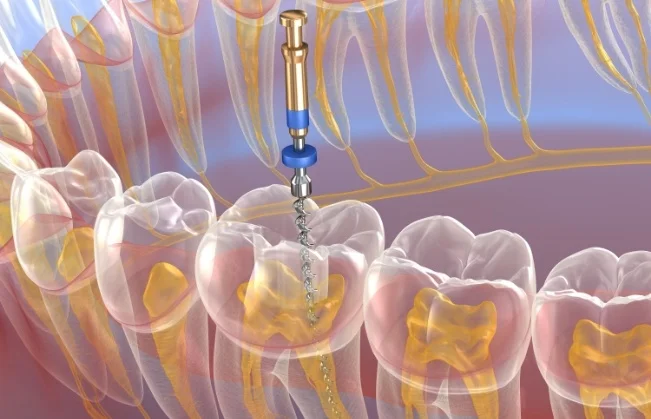
  3. Removal of the infected or inflamed pulp tissue from inside the tooth
  4. Cleaning and shaping of the root canals to remove bacteria
  5. Filling the cleaned canals with a biocompatible material
  6. Sealing the tooth with a temporary or permanent restoration, depending on the case

In many same-day scenarios, the dentist will place a temporary filling or crown to protect the tooth until a permanent restoration can be scheduled. This allows the patient to leave the office with pain relief while the tooth continues to heal internally.

Why Same-Day Care Matters

Delaying treatment for an infected tooth rarely makes the problem go away. In fact, waiting often allows the infection to spread further into the bone and surrounding tissue, which can turn a straightforward procedure into a more complex one. Same-day root canal treatment addresses the source of the pain directly rather than masking it temporarily with medication alone.

Patients who seek prompt care also tend to have a smoother recovery, since the infection has less time to cause additional damage. This is particularly important for teeth with existing large fillings, crowns, or previous dental work, where the margin for delay is smaller.

Root Canal Treatment Options in Federal Way

Residents searching for root canal Federal Way services have access to dental practices that combine modern diagnostic tools with same-day scheduling for urgent cases. A root canal specialist Federal Way patients choose to see should be able to explain the diagnosis clearly, walk through the treatment plan, and address any concerns about the procedure before beginning.

Root canal therapy Federal Way patients receive is designed to save the natural tooth whenever possible, rather than moving straight to extraction. Preserving the natural tooth structure helps maintain proper chewing function and prevents the shifting of surrounding teeth that can occur after a tooth is removed.

The table below outlines what patients can typically expect when comparing a routine root canal appointment to a same-day emergency visit.

AspectRoutine Root Canal TreatmentSame-Day Emergency Root Canal Treatment
SchedulingPlanned in advance, often over one or two visitsFit into the schedule as soon as possible, sometimes the same day symptoms appear
Primary GoalAddress decay or damage before severe symptoms developRelieve acute pain and control infection quickly
Diagnostic ProcessStandard exam and X-ray during a scheduled visitFocused exam and X-ray to confirm the source of pain and urgency
Immediate OutcomeTooth restored with temporary or permanent fillingPain relief, infection addressed, temporary restoration placed if needed
Follow-UpPermanent crown or filling scheduled as plannedFollow-up visit often needed for permanent restoration

What to Do While Waiting for Your Appointment

If you are dealing with a root canal emergency and cannot be seen immediately, there are a few steps that may help manage discomfort until treatment begins.

  • Rinse gently with warm salt water to reduce bacteria around the affected area
  • Avoid chewing on the side of the painful tooth
  • Use over-the-counter pain relief as directed on the packaging
  • Apply a cold compress to the outside of the cheek if there is swelling
  • Avoid extremely hot or cold foods and drinks that may trigger sharper pain

These measures are meant to provide temporary comfort and are not a substitute for professional dental care. If swelling spreads, if you develop a fever, or if the pain becomes unbearable, contact a dental office promptly.

How Federal Way Patients Can Prepare for a Same-Day Visit

When calling about a root canal treatment Federal Way appointment, it helps to describe your symptoms clearly, including when the pain started, what triggers it, and whether there is any visible swelling. This information allows the front desk team to prioritize your case appropriately and prepare the necessary equipment before you arrive.

Bringing a list of current medications and any known allergies also helps the dental team plan anesthesia and any prescribed medication safely. If you have had previous dental work on the affected tooth, mentioning this can give the dentist useful context during the exam.

At Precision Dental Care, our team understands how disruptive sudden tooth pain can be, and we aim to accommodate urgent cases as quickly as our schedule allows. Our approach focuses on accurate diagnosis first, followed by a treatment plan that addresses both the immediate pain and the long-term health of the tooth.

Frequently Asked Questions

How quickly can I be seen for a root canal emergency?

Many dental practices reserve time in their daily schedule for urgent cases, so it is often possible to be seen the same day symptoms begin. Calling as early as possible in the day improves the chances of same-day treatment.

Is a root canal painful?

The procedure itself is performed under local anesthesia, so patients typically feel pressure rather than sharp pain during treatment. Some mild soreness afterward is normal and usually manageable with over-the-counter pain relief.

What happens if I ignore tooth pain and delay treatment?

Ignoring persistent tooth pain can allow the infection to spread, potentially leading to abscess formation, bone loss, or the need for extraction instead of a tooth-saving procedure. Prompt evaluation helps limit these risks.

Can every tooth be treated with a same-day root canal?

Not every case is suitable for same-day treatment. Some teeth with severe infection or significant swelling may require a short course of antibiotics or drainage before the root canal procedure can be completed safely.

Will I need a follow-up visit after emergency treatment?

In many same-day cases, a temporary filling or crown is placed first, with a follow-up visit scheduled to complete the permanent restoration once the tooth has settled.

How can I tell the difference between a toothache and a true dental emergency?

A dull, mild ache that comes and goes may not require immediate attention, but sharp, persistent pain, visible swelling, or fever are signs that warrant prompt evaluation by a dental professional.

Final Thoughts

Sudden tooth pain can be alarming, but understanding what causes a root canal emergency and how same-day treatment works can make the situation easier to navigate. Recognizing the warning signs early, seeking urgent root canal treatment when needed, and following through with any recommended follow-up care all contribute to a better long-term outcome for the tooth.

If you are experiencing symptoms of a dental emergency in Federal Way, reaching out to a practice equipped to handle same-day cases can help resolve the issue before it becomes more serious. Precision Dental Careremains committed to helping patients manage dental emergencies with clear communication and timely, appropriate care.
Can Dental Implants Fail? A Guide for Federal Way Patients

July 13, 2026

Filed under: Blogs — precisiondental @ 4:02 am

Dental implants have a high success rate. Most patients enjoy years of stable, natural-looking results. Still, implants can fail in some cases. Knowing the signs early helps you protect your smile and your health.

This guide looks at why dental implants fail. It covers the warning signs to watch for. It also shows you how to lower your risk. You will learn what Federal Way patients should know before and after implant treatment. Precision Dental Care put this guide together to help you feel informed and less worried.

Understanding Dental Implant Failure

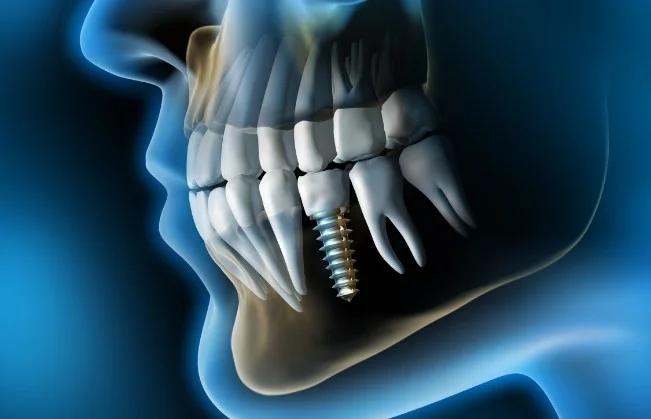
A dental implant is a small titanium post. A dentist places it in the jawbone. Over time, the bone grows around the post. This process is called osseointegration. It holds the implant in place. This works much like a natural tooth root.

Implant failure means the post does not bond well with the bone. It can also mean the post loosens after it has healed. Failure can happen soon after surgery. It can also happen years later. Both types have different causes. Both types show different warning signs too.

Early Implant Failure

Early failure often happens within the first few months. This type is usually tied to the healing process. Here are the common causes:

  • Poor bone quality or not enough bone at the implant site
  • Infection at the surgery site
  • Smoking, which slows healing and blood flow
  • Health issues such as uncontrolled diabetes
  • Movement or pressure on the implant before it fully heals

Late Implant Failure

Late failure can happen months or years after the implant heals. This type often links to gum disease. It can also link to ongoing stress on the implant. Here are the common causes:

  • Peri-implantitis, an infection of the gum and bone around the implant
  • Poor oral hygiene over time
  • Grinding or clenching teeth, which adds extra force on the implant
  • Damage from an injury or accident
  • Loose parts, such as the screw or crown, that were not fixed early

Common Signs of Dental Implant Failure

Spotting trouble early can save the implant. It can also limit the damage. Watch for these signs:

  • Pain or discomfort that does not fade after healing
  • Swelling or redness around the implant site
  • A loose or wobbly feel when you bite or chew
  • Gum recession around the implant
  • Difficulty chewing on the affected side
  • Visible gaps between the implant and the gum line

If you notice any of these signs, do not wait. Early action often leads to a simpler fix.

How Common Is Dental Implant Failure

Most studies show implant success rates above 90 percent. This means failure is not the norm. Still, it can happen. Age plays a role. Health habits play a role too. How well the implant site was prepared also matters a great deal.

Patients across the wider Puget Sound area often ask similar questions when they research local implant cases. Each case is different. Even so, the same core factors apply across the region. These include bone health, oral hygiene, and proper aftercare. A dentist who checks all three areas before surgery can often spot risks early and plan around them.

Comparing Causes of Early and Late Implant Failure

The table below breaks down the main differences between early and late implant failure.

FactorEarly Implant FailureLate Implant Failure
TimingWithin the first few months after surgeryMonths or years after healing
Main CausePoor bone bonding or infection during healingGum disease or long-term stress on the implant
Risk FactorsSmoking, low bone density, uncontrolled health issuesPoor hygiene, teeth grinding, injury
Warning SignsPain, swelling, implant feels loose soon after surgeryGum recession, looseness after years of normal use
Prevention FocusCareful planning and healing supportRegular checkups and good home care

How to Lower Your Risk of Implant Failure

You can take steps before and after surgery to protect your implant. The team at Precision Dental Care shares these steps with every patient who considers implant treatment.

Before Surgery

  • Choose a dentist with strong training in implant placement
  • Share your full health history, including any chronic conditions
  • Ask about bone density and whether a bone graft is needed
  • Quit smoking, or at least cut back, before your procedure

After Surgery

  • Follow all aftercare instructions closely during healing
  • Avoid hard or sticky foods until your dentist clears you
  • Keep the area clean with gentle brushing and rinsing
  • Attend all follow-up visits to check healing progress
  • Treat any signs of gum disease right away

Long-Term Care

  • Brush and floss around the implant just like a natural tooth
  • Visit your dentist for regular checkups and cleanings
  • Wear a night guard if you grind your teeth
  • Report any looseness or discomfort as soon as it starts

What Happens If an Implant Fails

If an implant does fail, treatment depends on the cause. Sometimes the dentist can treat an infection. This can save the implant. In other cases, the implant needs to come out. The area can heal after that. A new implant can often go in later, once the site is ready.

Acting fast gives you more options. Waiting too long can lead to bone loss. Bone loss makes future treatment harder. This is why regular checkups matter. They matter even after your implant has healed well. A quick visit at the first sign of trouble often means a simpler fix and a lower cost in the long run.

Why Choose Dental Implants in Federal Way

Federal way dental implants offer a strong, long-term option for replacing missing teeth. They support jawbone health. They also help keep nearby teeth in place. Compared to other options, dental implants Federal Way patients choose tend to look and feel more like natural teeth.

Dentist Federal Way patients trust should walk you through the full process. This should include a clear look at your bone health. It should include a custom treatment plan too. You should also get honest answers about your risk factors. This helps set proper expectations from the start.

We take time to check each patient’s bone health and oral history before we recommend dental implants Federal Way WA treatment. Our goal is to lower the chance of failure. We do this through careful planning and steady aftercare support. Precision Dental Care believes clear communication at every step makes the whole process easier for our patients.

Signs It Is Time to Contact Your Dentist

Do not wait if you notice any of the signs below:

  • Ongoing pain around the implant site
  • A crown or implant that feels loose
  • Swelling that does not go down within a few days
  • Gum tissue that looks red, puffy, or is pulling away from the implant
  • Any change in how your bite feels

Contact us today if you notice any of these signs. Quick action can often prevent a small issue from turning into a bigger one.

Frequently Asked Questions

Can dental implants fail years after placement?

Yes. Late failure can happen even after the implant has healed well. Gum disease, grinding, or an injury can all place stress on the implant over time.

What is the most common cause of implant failure?

Peri-implantitis, an infection of the gum and bone around the implant, is one of the most common causes of late failure. Good hygiene and regular checkups help prevent it.

How do I know if my implant is failing?

Watch for pain, looseness, swelling, or gum recession around the implant. Any of these signs should prompt a call to your dentist.

Can a failed implant be replaced?

In many cases, yes. Once the area heals and any infection clears, a new implant can often be placed. Your dentist will check the bone before moving forward.

Does smoking affect implant success?

Yes. Smoking slows healing and reduces blood flow to the gums, which raises the risk of both early and late implant failure.

How can I lower my risk of implant failure?

Choose an experienced dentist, follow all aftercare steps, keep up with oral hygiene, and attend regular checkups. These steps lower your risk at every stage.

Final Thoughts

Dental implants remain a strong choice for replacing missing teeth. Most implants succeed without issue. Still, knowing the signs of failure helps you act early if a problem comes up. Careful planning before surgery plays a big role in long-term success. Steady care afterward matters just as much.

A small change in how your bite feels, or a bit of swelling that will not go away, is worth a phone call. It is always easier to check early than to fix a bigger problem later. Our team is glad to answer questions, even if you are not yet sure whether something is wrong.

If you are considering dental implants Federal Way options, or you have concerns about an existing implant, reach out for a full evaluation. Contact us today, or book an appointment with Precision Dental Care to protect your smile and get clear answers about your dental implant health.

Why Digital X-Rays Are Safer and Faster for Our Patients

June 16, 2026

Filed under: Blogs — precisiondental @ 5:51 am

Modern dentistry has advanced significantly over the past few decades, and one of the most important innovations is the introduction of digital X-rays. This technology has transformed the way dentists diagnose, monitor, and treat oral health conditions. Compared to traditional film-based X-rays, digital X-rays provide clearer images, faster results, and improved safety for patients of all ages.

At Precision Dental Care, advanced diagnostic technology is an essential part of delivering quality dental care. Digital X-rays help identify potential problems before they become serious, allowing patients to receive timely treatment and maintain healthier smiles.

What Are Digital Dental X-Rays?

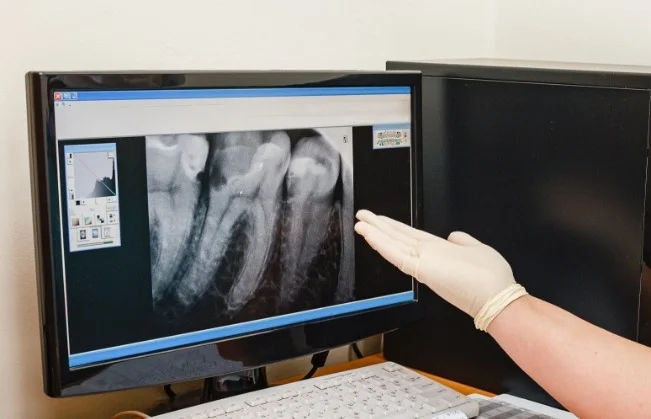
Digital X-rays are advanced imaging tools that capture detailed pictures of the teeth, gums, jawbone, and surrounding oral structures using electronic sensors instead of traditional photographic film. Once the image is captured, it appears almost instantly on a computer screen, allowing dentists to evaluate oral health conditions in real time.

These images provide valuable information that cannot be seen during a visual examination alone. Even when teeth appear healthy on the surface, issues such as hidden decay, infections, bone loss, and impacted teeth may be developing beneath the gums. Digital X-rays make it possible to detect these problems early, helping prevent more extensive treatment in the future.

Why Diagnostic Imaging Is Important

Dental problems do not always show obvious symptoms in their early stages. Cavities may begin between teeth, infections can develop near tooth roots, and bone loss may occur gradually without causing pain. By the time symptoms become noticeable, treatment may be more complicated and costly.

Diagnostic imaging provides a clear view of structures beneath the surface, allowing dentists to identify concerns before they become severe. This proactive approach helps protect oral health and supports more effective treatment planning.

Modern digital imaging technology has made this process faster, safer, and more accurate than ever before.

Reduced Radiation Exposure Improves Patient Safety

One of the biggest advantages of digital X-rays is the significant reduction in radiation exposure. Many patients worry about radiation when dental X-rays are recommended, but digital technology has dramatically improved safety standards.

Traditional film X-rays require more radiation because the film is less sensitive to light and energy. Digital sensors, on the other hand, are highly efficient and require much less radiation to produce detailed images.

Studies have shown that digital X-rays can reduce radiation exposure by up to 80 to 90 percent compared to conventional film-based systems. This reduction is especially beneficial for children, seniors, and patients who require ongoing monitoring of their oral health.

Because less radiation is needed, patients can feel more confident knowing that modern dental imaging prioritizes both diagnostic accuracy and safety.

Faster Results Mean Less Waiting

Before digital technology became common, dental offices relied on film processing to develop X-ray images. This process required additional time and occasionally resulted in image quality issues that required retakes.

Digital X-rays eliminate these delays. Images appear on a computer screen within seconds, allowing dentists to review them immediately. This means patients spend less time waiting and receive information about their oral health during the same appointment.

Faster results also allow dentists to make treatment recommendations more efficiently. If a problem is discovered, discussions about treatment options can begin right away without the need for additional visits simply to review imaging results.

For busy patients, this improved efficiency creates a more convenient and streamlined dental experience.

Superior Image Quality Enhances Diagnosis

Digital X-rays provide exceptional image clarity, making it easier to identify oral health issues in their earliest stages. The high-resolution images allow dentists to see fine details that may not be visible with traditional film.

One major advantage of digital imaging is the ability to enlarge images and adjust brightness or contrast. These enhancements make it easier to examine specific areas closely and identify subtle signs of disease or damage.

Improved image quality contributes directly to more accurate diagnoses. Whether evaluating tooth decay, fractures, infections, or bone loss, detailed digital images help dentists make informed treatment decisions.

The ability to identify problems early often leads to simpler, less invasive treatments and better long-term outcomes for patients.

Early Detection of Cavities

Tooth decay often begins in areas that are difficult to see during a routine examination. Cavities may form between teeth, beneath existing fillings, or in hidden grooves on chewing surfaces.

Digital X-rays help reveal these hidden areas, allowing dentists to detect decay before it becomes extensive. Early treatment typically requires less invasive procedures and helps preserve more of the natural tooth structure.

When cavities are identified in their earliest stages, patients often avoid more complex restorative treatments later. This supports better oral health and can reduce long-term dental expenses.

Identifying Gum Disease Before It Progresses

Gum disease is one of the leading causes of tooth loss among adults. Unfortunately, it often develops gradually and may not produce noticeable symptoms until significant damage has occurred.

Digital X-rays play an important role in identifying the early signs of periodontal disease. By evaluating bone levels around the teeth, dentists can detect changes that indicate developing gum problems.

This diagnostic capability is particularly valuable because bone loss cannot be assessed accurately through visual examination alone. Early detection allows patients to receive treatment before irreversible damage occurs.

Digital imaging is therefore an essential component of preventive dentistry, helping patients maintain healthy gums and strong supporting bone structures.

Improved Monitoring of Oral Health

Dental care is not only about diagnosing problems; it is also about monitoring changes over time. Digital X-rays allow dentists to compare current images with previous records, making it easier to identify trends and detect subtle changes.

This ongoing monitoring is especially useful for patients with a history of cavities, gum disease, root canal treatment, or other oral health concerns. Comparing images over time provides valuable insight into treatment effectiveness and overall oral health progression.

The ability to store and access digital images instantly also improves record management and ensures that important diagnostic information is readily available whenever needed.

Better Treatment Planning

Accurate diagnosis is the foundation of successful dental treatment. Digital X-rays provide detailed information that helps dentists create customized treatment plans based on each patient’s unique needs.

Whether planning restorative procedures, orthodontic treatment, dental implants, or extractions, high-quality imaging improves precision and predictability. Dentists can evaluate tooth roots, bone density, and surrounding structures to determine the most appropriate treatment approach.

Patients also benefit because digital images can be displayed on a screen and explained in real time. Seeing the images helps patients better understand their oral health conditions and the reasons behind treatment recommendations.

This improved communication supports informed decision-making and builds trust between patients and dental professionals.

Greater Comfort During Imaging

Many patients find digital X-rays more comfortable than traditional methods. Modern digital sensors are designed to capture images quickly, reducing the amount of time they need to remain in the mouth.

Because images are obtained almost instantly, patients spend less time holding imaging devices in place. This can be particularly beneficial for individuals with sensitive gag reflexes, children, and patients who feel anxious during dental procedures.

A more comfortable experience encourages patients to keep up with recommended imaging schedules, supporting ongoing preventive care.

Environmentally Friendly Technology

Digital X-rays offer environmental benefits in addition to their clinical advantages. Traditional film-based systems require chemical processing solutions that must be stored, handled, and disposed of properly.

Digital imaging eliminates the need for these chemicals entirely. Since images are stored electronically, there is also less reliance on paper records and physical storage space.

By reducing waste and eliminating chemical processing, digital X-ray systems support more environmentally responsible dental practices while maintaining high standards of patient care.

Supporting Comprehensive Preventive Care

The primary goal of preventive dental care is to identify and address problems before they become serious. Digital X-rays are one of the most effective tools available for achieving this objective.

By revealing hidden cavities, bone loss, infections, and developmental concerns, digital imaging allows dentists to intervene early and provide appropriate treatment. This proactive approach often helps patients avoid more invasive procedures and maintain healthier smiles over the long term.

Regular examinations combined with digital imaging create a comprehensive preventive strategy that supports lifelong oral health.

Why Patients Appreciate Digital X-Rays

Patients consistently appreciate the benefits that digital X-rays provide. Faster imaging, reduced radiation exposure, improved comfort, and immediate results contribute to a more positive dental experience.

The ability to view images alongside their dentist also helps patients feel more informed and involved in their care. Understanding what is happening inside the mouth makes treatment recommendations easier to understand and accept.

As technology continues to advance, digital X-rays remain one of the most valuable tools for improving both patient care and clinical outcomes.

The Future of Dental Imaging

Digital radiography continues to evolve, offering even greater levels of precision and diagnostic capability. Modern imaging systems are becoming increasingly sophisticated, helping dentists identify issues earlier and develop more personalized treatment plans.

Future advancements are expected to improve image quality further while continuing to reduce radiation exposure and enhance patient comfort. These innovations reflect dentistry’s ongoing commitment to providing safer, faster, and more effective care.

Conclusion

Digital X-rays have revolutionized dental diagnostics by making imaging safer, faster, and more accurate than traditional methods. Their ability to reduce radiation exposure, produce instant results, and provide highly detailed images makes them an invaluable part of modern dental care.

At Precision Dental Care, digital imaging supports a proactive approach to oral health by helping dentists detect problems early and develop effective treatment plans. From identifying cavities and monitoring gum disease to supporting preventive care and improving patient education, digital X-rays play a crucial role in maintaining healthy smiles.

If you would like to learn more about modern dental technology or schedule a dental appointment, consulting with an experienced dental team can help you understand how digital X-rays contribute to safer and more effective oral healthcare.

FAQs

1. Are digital X-rays safer than traditional X-rays?

Yes. Digital X-rays use significantly less radiation than traditional film-based X-rays while providing highly detailed images.

2. How quickly are digital X-ray results available?

Digital X-rays produce images almost instantly, allowing dentists to review and discuss the results during the same appointment.

3. Can digital X-rays detect problems that cannot be seen during an exam?

Yes. They can identify hidden cavities, infections, bone loss, impacted teeth, and other conditions that may not be visible during a visual examination.

4. How often should dental X-rays be taken?

The frequency depends on your oral health history, risk factors, and individual dental needs. Your dentist will recommend an appropriate schedule.

5. Do digital X-rays help with preventive dental care?

Absolutely. Digital X-rays allow dentists to detect problems early, making treatment simpler and helping prevent more serious oral health issues.

How to Clean and Maintain Your Dental Implants for a Lifetime

June 15, 2026

Filed under: Blogs — precisiondental @ 5:43 am

Dental implants are one of the most advanced and long-lasting solutions for replacing missing teeth. They provide exceptional stability, restore natural chewing function, and help maintain the appearance of a healthy smile. While implants are designed to last for many years, their longevity depends heavily on proper care and maintenance. Even the highest-quality implant requires consistent oral hygiene and professional monitoring to remain healthy and functional throughout life.

At Precision Dental Care, patients receive comprehensive guidance on implant care to help protect their investment in oral health. Understanding how to clean and maintain dental implants properly is essential for preventing complications and ensuring long-term success.

Understanding Dental Implants and Their Lifespan

Dental implants are artificial tooth roots that are surgically placed into the jawbone. Once integrated with the bone through a process known as osseointegration, they provide a strong foundation for crowns, bridges, or dentures.

One of the biggest advantages of implants is their durability. Unlike traditional restorations that may require replacement every few years, implants can often last decades or even a lifetime when properly maintained. However, their success depends not only on the implant itself but also on the health of the surrounding gums and bone.

Many patients mistakenly believe that because implants cannot develop cavities, they require less care than natural teeth. In reality, the tissues around implants are still vulnerable to infection and inflammation, making regular maintenance extremely important.

Why Proper Implant Maintenance Matters

Dental implants rely on healthy gum tissue and strong bone support. If plaque and bacteria accumulate around the implant, they can trigger inflammation that affects these supporting structures.

The earliest stage of implant-related gum inflammation is called peri-implant mucositis. If not treated, it can progress into peri-implantitis, a condition that causes bone loss around the implant. Over time, this can compromise implant stability and increase the risk of failure.

Fortunately, these conditions are largely preventable through good oral hygiene and routine professional care. Establishing a consistent maintenance routine can dramatically increase the lifespan of dental implants.

Creating an Effective Daily Cleaning Routine

Daily cleaning is the foundation of long-term implant success. Brushing should be performed at least twice a day using a soft-bristled toothbrush. Soft bristles effectively remove plaque without irritating the delicate gum tissue surrounding the implant.

When brushing, it is important to pay special attention to the area where the implant crown meets the gums. This is often where bacteria accumulate and where inflammation first develops. Gentle circular motions are typically more effective than aggressive scrubbing.

Using a non-abrasive toothpaste can also help protect the surface of implant restorations. Abrasive products may create microscopic scratches that make it easier for plaque to attach and accumulate.

Consistency is more important than intensity. Thorough and gentle cleaning every day is the best way to keep implants healthy.

The Essential Role of Flossing

Brushing alone cannot clean every surface of the mouth. Food particles and plaque can become trapped between teeth and around implant restorations, making flossing an essential part of implant care.

Flossing once daily helps remove debris from areas that toothbrush bristles cannot reach. Patients with implants often benefit from implant-specific floss or floss threaders designed to clean around restorations more effectively.

Maintaining this habit helps prevent bacterial buildup and protects the gum tissue supporting the implant. Over time, regular flossing significantly reduces the risk of inflammation and infection.

Benefits of Using Water Flossers

Many implant patients find water flossers to be a valuable addition to their oral hygiene routine. These devices use a focused stream of water to remove food particles and bacteria from difficult-to-reach areas.

Water flossers are particularly useful for patients with multiple implants, implant-supported bridges, or limited dexterity. They can help improve gum health and provide an extra level of cleanliness that complements traditional brushing and flossing.

While water flossers are highly effective, they work best when used as part of a complete oral hygiene routine rather than as a replacement for brushing.

Choosing the Right Oral Care Products

The products used for implant care can influence long-term results. Soft-bristled toothbrushes, low-abrasion toothpaste, and gentle cleaning aids are generally recommended.

Electric toothbrushes can also be beneficial because they provide consistent cleaning and often remove plaque more effectively than manual brushes. However, they should be used according to the manufacturer’s recommendations and with gentle pressure.

Antibacterial mouth rinses may help reduce bacterial levels in the mouth, particularly for patients who are prone to gum inflammation. Choosing products that support gum health can contribute significantly to implant longevity.

Professional Cleanings Are Critical

Even the most thorough home care routine cannot remove hardened tartar deposits. Professional dental cleanings are essential for maintaining implant health and preventing complications.

During maintenance visits, dental professionals use specialized instruments designed specifically for cleaning implants. These tools allow for effective plaque and tartar removal without damaging the implant surface.

Routine examinations also provide an opportunity to evaluate gum health, monitor bone support, and assess implant stability. Detecting issues early makes treatment easier and more effective. Understanding the proper care and long-term maintenance of dental implants is essential for protecting your investment and ensuring lasting oral health

Protecting Gum Health Around Implants

Healthy gums are crucial for implant success. The gum tissue surrounding the implant acts as a barrier that helps prevent bacteria from reaching deeper structures.

Patients should monitor their gums for signs of trouble, including redness, swelling, tenderness, or bleeding during brushing and flossing. Persistent bad breath or discomfort around an implant may also indicate a developing problem.

Prompt attention to these symptoms can prevent minor inflammation from progressing into more serious conditions. Maintaining excellent oral hygiene and attending regular dental visits are the most effective ways to protect gum health.

The Connection Between Diet and Implant Longevity

Nutrition plays a significant role in supporting oral health and implant stability. A balanced diet provides the nutrients necessary for healthy gums and strong bones.

Calcium-rich foods help maintain bone density, while vitamin D supports calcium absorption. Protein contributes to tissue repair and overall healing. Consuming a variety of nutrient-dense foods supports the structures that keep implants secure.

Limiting sugary snacks and beverages can also reduce plaque accumulation and help maintain healthier gums. Although implants cannot develop cavities, excessive sugar consumption can still contribute to gum disease and inflammation.

Habits That Can Shorten Implant Lifespan

Certain habits can negatively affect implant health and increase the risk of complications. Smoking is one of the most significant risk factors because it restricts blood flow to the gums and interferes with healing.

Teeth grinding and clenching can also place excessive stress on implants. Because implants do not have the natural shock-absorbing ligament found around natural teeth, repeated pressure can create problems over time.

Patients who grind their teeth may benefit from wearing a custom night guard to protect both natural teeth and implants. Avoiding habits such as chewing ice, biting hard objects, or using teeth as tools can further reduce the risk of damage.

Long-Term Monitoring and Preventive Care

Dental implants require ongoing monitoring to ensure their continued success. Regular examinations allow dentists to assess gum health, implant stability, and bite alignment.

Preventive care focuses on identifying and addressing small issues before they become major problems. Patients who remain committed to routine maintenance appointments often experience better outcomes and longer-lasting results.

Professional guidance also helps patients stay informed about best practices for implant care and maintenance as their oral health needs evolve over time.

Knowing When to Seek Professional Help

Even with excellent oral hygiene, unexpected issues can occasionally arise. Patients should seek professional evaluation if they experience persistent swelling, bleeding, discomfort, loosening of the implant restoration, or changes in how their bite feels.

Ignoring these symptoms can allow problems to worsen. Early diagnosis and treatment are often the key to preserving implant health and preventing more extensive interventions.

If you have questions about implant maintenance or need personalized guidance, you can schedule an appointment.

Conclusion

Dental implants are an exceptional solution for replacing missing teeth and restoring confidence. Their long-term success, however, depends on consistent care and attention. Daily brushing, flossing, healthy lifestyle choices, and routine professional maintenance all play important roles in protecting implants and supporting the surrounding gums and bone.

By following a comprehensive oral hygiene routine and seeking professional care when needed, patients can enjoy the benefits of their implants for decades. With proper maintenance, dental implants can truly become a lifetime solution for a healthy, functional, and beautiful smile.

FAQs

1. How often should I clean my dental implants?

You should brush your dental implants at least twice a day and floss once daily to remove plaque and maintain healthy gums.

2. Can dental implants get cavities?

No, dental implants cannot develop cavities. However, the gums and bone around them can become infected if proper oral hygiene is not maintained.

3. How long do dental implants last?

With proper care, regular dental checkups, and good oral hygiene habits, dental implants can last for decades and often a lifetime.

4. Is a water flosser good for dental implants?

Yes, a water flosser can help remove food particles and plaque around implants, making it a useful addition to your daily oral hygiene routine.

5. When should I contact my dentist about my dental implant?

You should contact your dentist if you notice bleeding gums, swelling, pain, persistent bad breath, or any looseness around the implant area.

Teeth Whitening vs. Veneers: Which Is Right for Your Smile?

May 22, 2026

Filed under: Blogs — precisiondental @ 6:42 am

Many teens and young adults today want brighter and more confident smiles. Teeth Whitening vs. Veneers is a common comparison when considering cosmetic treatment options. A cosmetic dentist federal way may suggest different treatment options based on the condition of the teeth and the patient’s goals. Some individuals are interested in removing stains through whitening treatments, while others want to improve the shape, alignment, or overall appearance of their teeth. For younger patients exploring cosmetic dental care for the first time, deciding between whitening and veneers can sometimes feel overwhelming. A cosmetic dentist federal way can explain how each option works and what type of results patients may expect over time.

Smile appearance can influence confidence during school, work, social events, and everyday interactions. Cosmetic dentistry focuses on enhancing the appearance of teeth while also supporting long term oral health. Understanding the differences between whitening treatments and veneers can help patients make more informed decisions about their dental care options.

(more…)

How to Prepare Your Child for Their First Dental Visit

May 20, 2026

Filed under: Blogs — precisiondental @ 6:34 am

A First Dental Visit can feel unfamiliar for both parents and children. Many families searching for a pediatric dentist federal way want an experience that feels calm, comfortable, and reassuring. Finding a provider who focuses on gentle care and understands childhood dental anxiety can help children feel more relaxed during their first visit. Parents also value clinics that can provide support for urgent dental care and emergency concerns when needed.

Early dental visits play an important role in building healthy oral habits and helping children become comfortable with routine checkups. Positive experiences during childhood may reduce dental anxiety later in life and encourage long term oral health care.

Families interested in learning more about dental visits, patient forms, and appointment preparation can explore patient resources and dental visit information available through Precision Dental Care.

(more…)

Does Gum Disease Go Away After Removing Teeth?

January 2, 2026

Filed under: Blogs — precisiondental @ 5:32 pm
Forceps holding extracted tooth.

Gum disease is a common oral health condition, and many people wonder whether removing teeth will eliminate the problem altogether. While tooth removal may seem like a solution—especially when gum disease is advanced—the truth is more complex. Gum disease does not automatically go away when teeth are removed, and understanding why is key to protecting your long-term oral health.

(more…)

Talking It Out: How SureSmile Can Impact Your Speech

November 5, 2025

Filed under: Blogs — precisiondental @ 12:36 am
Woman smiling while putting in her SureSmile

Many people are choosing to get SureSmile to get healthier bites. This treatment uses clear aligners that you’ll wear every day to slowly shift your teeth into desired positions. As reliable as they are, many people aren’t aware of how they can affect your speech just a bit! It’s not a dramatic difference, but this temporary change can catch you off guard. Here’s what to expect and what you can do about it.

(more…)

I’ve Had Braces Before; Can I Get SureSmile?

September 3, 2025

Filed under: Blogs — precisiondental @ 10:35 pm
Lady shows off her clear aligners

SureSmile is a modern alternative to traditional braces that realigns teeth using removable and virtually invisible clear aligners, and it can be an excellent way to address many mild to moderate dental misalignments. While many people wear braces in adolescence to address their alignment issues, some of them find that their teeth drift out of place in the decades after their initial orthodontic treatment is over. Here’s a quick look at how SureSmile can re-straighten the smile of a person who has previously worn braces.

(more…)

Timeless Teeth: Is There an Age Limit for Dental Implants?

July 10, 2025

Filed under: Blogs — precisiondental @ 4:49 pm
Older patient smiling with dental implants

If you’re missing teeth and wondering whether dental implants are off the table due to your age, rest easy. You’re not too old. In fact, older adults are some of the best candidates for dental implants! More people in their 40s, 50s, and even their 80s are turning to implants more than ever to restore comfort, confidence, and a better quality of life. Continue reading to learn what really matters when it comes to implant eligibility.

(more…)
Older Posts »