
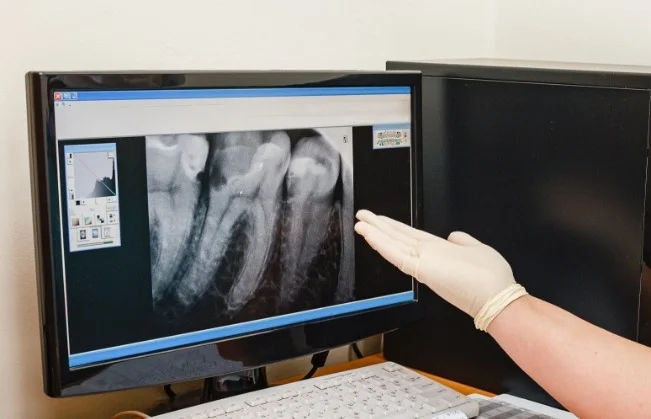
Modern dentistry has advanced significantly over the past few decades, and one of the most important innovations is the introduction of digital X-rays. This technology has transformed the way dentists diagnose, monitor, and treat oral health conditions. Compared to traditional film-based X-rays, digital X-rays provide clearer images, faster results, and improved safety for patients of all ages.
At Precision Dental Care, advanced diagnostic technology is an essential part of delivering quality dental care. Digital X-rays help identify potential problems before they become serious, allowing patients to receive timely treatment and maintain healthier smiles.
What Are Digital Dental X-Rays?
Digital X-rays are advanced imaging tools that capture detailed pictures of the teeth, gums, jawbone, and surrounding oral structures using electronic sensors instead of traditional photographic film. Once the image is captured, it appears almost instantly on a computer screen, allowing dentists to evaluate oral health conditions in real time.
These images provide valuable information that cannot be seen during a visual examination alone. Even when teeth appear healthy on the surface, issues such as hidden decay, infections, bone loss, and impacted teeth may be developing beneath the gums. Digital X-rays make it possible to detect these problems early, helping prevent more extensive treatment in the future.
Why Diagnostic Imaging Is Important
Dental problems do not always show obvious symptoms in their early stages. Cavities may begin between teeth, infections can develop near tooth roots, and bone loss may occur gradually without causing pain. By the time symptoms become noticeable, treatment may be more complicated and costly.
Diagnostic imaging provides a clear view of structures beneath the surface, allowing dentists to identify concerns before they become severe. This proactive approach helps protect oral health and supports more effective treatment planning.
Modern digital imaging technology has made this process faster, safer, and more accurate than ever before.
Reduced Radiation Exposure Improves Patient Safety
One of the biggest advantages of digital X-rays is the significant reduction in radiation exposure. Many patients worry about radiation when dental X-rays are recommended, but digital technology has dramatically improved safety standards.
Traditional film X-rays require more radiation because the film is less sensitive to light and energy. Digital sensors, on the other hand, are highly efficient and require much less radiation to produce detailed images.
Studies have shown that digital X-rays can reduce radiation exposure by up to 80 to 90 percent compared to conventional film-based systems. This reduction is especially beneficial for children, seniors, and patients who require ongoing monitoring of their oral health.
Because less radiation is needed, patients can feel more confident knowing that modern dental imaging prioritizes both diagnostic accuracy and safety.
Faster Results Mean Less Waiting
Before digital technology became common, dental offices relied on film processing to develop X-ray images. This process required additional time and occasionally resulted in image quality issues that required retakes.
Digital X-rays eliminate these delays. Images appear on a computer screen within seconds, allowing dentists to review them immediately. This means patients spend less time waiting and receive information about their oral health during the same appointment.
Faster results also allow dentists to make treatment recommendations more efficiently. If a problem is discovered, discussions about treatment options can begin right away without the need for additional visits simply to review imaging results.
For busy patients, this improved efficiency creates a more convenient and streamlined dental experience.
Superior Image Quality Enhances Diagnosis
Digital X-rays provide exceptional image clarity, making it easier to identify oral health issues in their earliest stages. The high-resolution images allow dentists to see fine details that may not be visible with traditional film.
One major advantage of digital imaging is the ability to enlarge images and adjust brightness or contrast. These enhancements make it easier to examine specific areas closely and identify subtle signs of disease or damage.
Improved image quality contributes directly to more accurate diagnoses. Whether evaluating tooth decay, fractures, infections, or bone loss, detailed digital images help dentists make informed treatment decisions.
The ability to identify problems early often leads to simpler, less invasive treatments and better long-term outcomes for patients.
Early Detection of Cavities
Tooth decay often begins in areas that are difficult to see during a routine examination. Cavities may form between teeth, beneath existing fillings, or in hidden grooves on chewing surfaces.
Digital X-rays help reveal these hidden areas, allowing dentists to detect decay before it becomes extensive. Early treatment typically requires less invasive procedures and helps preserve more of the natural tooth structure.
When cavities are identified in their earliest stages, patients often avoid more complex restorative treatments later. This supports better oral health and can reduce long-term dental expenses.
Identifying Gum Disease Before It Progresses
Gum disease is one of the leading causes of tooth loss among adults. Unfortunately, it often develops gradually and may not produce noticeable symptoms until significant damage has occurred.
Digital X-rays play an important role in identifying the early signs of periodontal disease. By evaluating bone levels around the teeth, dentists can detect changes that indicate developing gum problems.
This diagnostic capability is particularly valuable because bone loss cannot be assessed accurately through visual examination alone. Early detection allows patients to receive treatment before irreversible damage occurs.
Digital imaging is therefore an essential component of preventive dentistry, helping patients maintain healthy gums and strong supporting bone structures.
Improved Monitoring of Oral Health
Dental care is not only about diagnosing problems; it is also about monitoring changes over time. Digital X-rays allow dentists to compare current images with previous records, making it easier to identify trends and detect subtle changes.
This ongoing monitoring is especially useful for patients with a history of cavities, gum disease, root canal treatment, or other oral health concerns. Comparing images over time provides valuable insight into treatment effectiveness and overall oral health progression.
The ability to store and access digital images instantly also improves record management and ensures that important diagnostic information is readily available whenever needed.
Better Treatment Planning
Accurate diagnosis is the foundation of successful dental treatment. Digital X-rays provide detailed information that helps dentists create customized treatment plans based on each patient’s unique needs.
Whether planning restorative procedures, orthodontic treatment, dental implants, or extractions, high-quality imaging improves precision and predictability. Dentists can evaluate tooth roots, bone density, and surrounding structures to determine the most appropriate treatment approach.
Patients also benefit because digital images can be displayed on a screen and explained in real time. Seeing the images helps patients better understand their oral health conditions and the reasons behind treatment recommendations.
This improved communication supports informed decision-making and builds trust between patients and dental professionals.
Greater Comfort During Imaging
Many patients find digital X-rays more comfortable than traditional methods. Modern digital sensors are designed to capture images quickly, reducing the amount of time they need to remain in the mouth.
Because images are obtained almost instantly, patients spend less time holding imaging devices in place. This can be particularly beneficial for individuals with sensitive gag reflexes, children, and patients who feel anxious during dental procedures.
A more comfortable experience encourages patients to keep up with recommended imaging schedules, supporting ongoing preventive care.
Environmentally Friendly Technology
Digital X-rays offer environmental benefits in addition to their clinical advantages. Traditional film-based systems require chemical processing solutions that must be stored, handled, and disposed of properly.
Digital imaging eliminates the need for these chemicals entirely. Since images are stored electronically, there is also less reliance on paper records and physical storage space.
By reducing waste and eliminating chemical processing, digital X-ray systems support more environmentally responsible dental practices while maintaining high standards of patient care.
Supporting Comprehensive Preventive Care
The primary goal of preventive dental care is to identify and address problems before they become serious. Digital X-rays are one of the most effective tools available for achieving this objective.
By revealing hidden cavities, bone loss, infections, and developmental concerns, digital imaging allows dentists to intervene early and provide appropriate treatment. This proactive approach often helps patients avoid more invasive procedures and maintain healthier smiles over the long term.
Regular examinations combined with digital imaging create a comprehensive preventive strategy that supports lifelong oral health.
Why Patients Appreciate Digital X-Rays
Patients consistently appreciate the benefits that digital X-rays provide. Faster imaging, reduced radiation exposure, improved comfort, and immediate results contribute to a more positive dental experience.
The ability to view images alongside their dentist also helps patients feel more informed and involved in their care. Understanding what is happening inside the mouth makes treatment recommendations easier to understand and accept.
As technology continues to advance, digital X-rays remain one of the most valuable tools for improving both patient care and clinical outcomes.
The Future of Dental Imaging
Digital radiography continues to evolve, offering even greater levels of precision and diagnostic capability. Modern imaging systems are becoming increasingly sophisticated, helping dentists identify issues earlier and develop more personalized treatment plans.
Future advancements are expected to improve image quality further while continuing to reduce radiation exposure and enhance patient comfort. These innovations reflect dentistry’s ongoing commitment to providing safer, faster, and more effective care.
Conclusion
Digital X-rays have revolutionized dental diagnostics by making imaging safer, faster, and more accurate than traditional methods. Their ability to reduce radiation exposure, produce instant results, and provide highly detailed images makes them an invaluable part of modern dental care.
At Precision Dental Care, digital imaging supports a proactive approach to oral health by helping dentists detect problems early and develop effective treatment plans. From identifying cavities and monitoring gum disease to supporting preventive care and improving patient education, digital X-rays play a crucial role in maintaining healthy smiles.
If you would like to learn more about modern dental technology or schedule a dental appointment, consulting with an experienced dental team can help you understand how digital X-rays contribute to safer and more effective oral healthcare.
FAQs
1. Are digital X-rays safer than traditional X-rays?
Yes. Digital X-rays use significantly less radiation than traditional film-based X-rays while providing highly detailed images.
2. How quickly are digital X-ray results available?
Digital X-rays produce images almost instantly, allowing dentists to review and discuss the results during the same appointment.
3. Can digital X-rays detect problems that cannot be seen during an exam?
Yes. They can identify hidden cavities, infections, bone loss, impacted teeth, and other conditions that may not be visible during a visual examination.
4. How often should dental X-rays be taken?
The frequency depends on your oral health history, risk factors, and individual dental needs. Your dentist will recommend an appropriate schedule.
5. Do digital X-rays help with preventive dental care?
Absolutely. Digital X-rays allow dentists to detect problems early, making treatment simpler and helping prevent more serious oral health issues.