Dental implants have a high success rate. Most patients enjoy years of stable, natural-looking results. Still, implants can fail in some cases. Knowing the signs early helps you protect your smile and your health.
This guide looks at why dental implants fail. It covers the warning signs to watch for. It also shows you how to lower your risk. You will learn what Federal Way patients should know before and after implant treatment. Precision Dental Care put this guide together to help you feel informed and less worried.
Understanding Dental Implant Failure
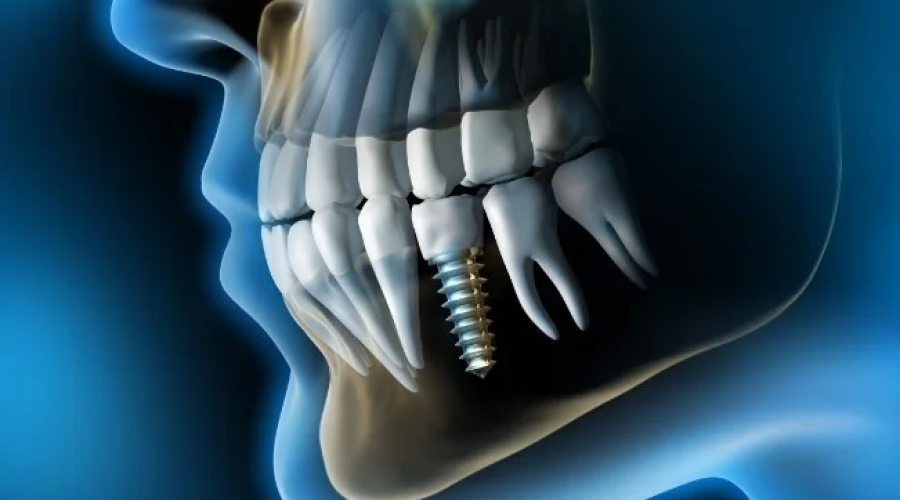
A dental implant is a small titanium post. A dentist places it in the jawbone. Over time, the bone grows around the post. This process is called osseointegration. It holds the implant in place. This works much like a natural tooth root.
Implant failure means the post does not bond well with the bone. It can also mean the post loosens after it has healed. Failure can happen soon after surgery. It can also happen years later. Both types have different causes. Both types show different warning signs too.
Early Implant Failure
Early failure often happens within the first few months. This type is usually tied to the healing process. Here are the common causes:
- Poor bone quality or not enough bone at the implant site
- Infection at the surgery site
- Smoking, which slows healing and blood flow
- Health issues such as uncontrolled diabetes
- Movement or pressure on the implant before it fully heals
Late Implant Failure
Late failure can happen months or years after the implant heals. This type often links to gum disease. It can also link to ongoing stress on the implant. Here are the common causes:
- Peri-implantitis, an infection of the gum and bone around the implant
- Poor oral hygiene over time
- Grinding or clenching teeth, which adds extra force on the implant
- Damage from an injury or accident
- Loose parts, such as the screw or crown, that were not fixed early
Common Signs of Dental Implant Failure
Spotting trouble early can save the implant. It can also limit the damage. Watch for these signs:
- Pain or discomfort that does not fade after healing
- Swelling or redness around the implant site
- A loose or wobbly feel when you bite or chew
- Gum recession around the implant
- Difficulty chewing on the affected side
- Visible gaps between the implant and the gum line
If you notice any of these signs, do not wait. Early action often leads to a simpler fix.
How Common Is Dental Implant Failure
Most studies show implant success rates above 90 percent. This means failure is not the norm. Still, it can happen. Age plays a role. Health habits play a role too. How well the implant site was prepared also matters a great deal.
Patients across the wider Puget Sound area often ask similar questions when they research local implant cases. Each case is different. Even so, the same core factors apply across the region. These include bone health, oral hygiene, and proper aftercare. A dentist who checks all three areas before surgery can often spot risks early and plan around them.
Comparing Causes of Early and Late Implant Failure
The table below breaks down the main differences between early and late implant failure.
| Factor | Early Implant Failure | Late Implant Failure |
|---|---|---|
| Timing | Within the first few months after surgery | Months or years after healing |
| Main Cause | Poor bone bonding or infection during healing | Gum disease or long-term stress on the implant |
| Risk Factors | Smoking, low bone density, uncontrolled health issues | Poor hygiene, teeth grinding, injury |
| Warning Signs | Pain, swelling, implant feels loose soon after surgery | Gum recession, looseness after years of normal use |
| Prevention Focus | Careful planning and healing support | Regular checkups and good home care |
How to Lower Your Risk of Implant Failure
You can take steps before and after surgery to protect your implant. The team at Precision Dental Care shares these steps with every patient who considers implant treatment.
Before Surgery
- Choose a dentist with strong training in implant placement
- Share your full health history, including any chronic conditions
- Ask about bone density and whether a bone graft is needed
- Quit smoking, or at least cut back, before your procedure
After Surgery
- Follow all aftercare instructions closely during healing
- Avoid hard or sticky foods until your dentist clears you
- Keep the area clean with gentle brushing and rinsing
- Attend all follow-up visits to check healing progress
- Treat any signs of gum disease right away
Long-Term Care
- Brush and floss around the implant just like a natural tooth
- Visit your dentist for regular checkups and cleanings
- Wear a night guard if you grind your teeth
- Report any looseness or discomfort as soon as it starts
What Happens If an Implant Fails
If an implant does fail, treatment depends on the cause. Sometimes the dentist can treat an infection. This can save the implant. In other cases, the implant needs to come out. The area can heal after that. A new implant can often go in later, once the site is ready.
Acting fast gives you more options. Waiting too long can lead to bone loss. Bone loss makes future treatment harder. This is why regular checkups matter. They matter even after your implant has healed well. A quick visit at the first sign of trouble often means a simpler fix and a lower cost in the long run.
Why Choose Dental Implants in Federal Way
Federal way dental implants offer a strong, long-term option for replacing missing teeth. They support jawbone health. They also help keep nearby teeth in place. Compared to other options, dental implants Federal Way patients choose tend to look and feel more like natural teeth.
Dentist Federal Way patients trust should walk you through the full process. This should include a clear look at your bone health. It should include a custom treatment plan too. You should also get honest answers about your risk factors. This helps set proper expectations from the start.
We take time to check each patient’s bone health and oral history before we recommend dental implants Federal Way WA treatment. Our goal is to lower the chance of failure. We do this through careful planning and steady aftercare support. Precision Dental Care believes clear communication at every step makes the whole process easier for our patients.
Signs It Is Time to Contact Your Dentist
Do not wait if you notice any of the signs below:
- Ongoing pain around the implant site
- A crown or implant that feels loose
- Swelling that does not go down within a few days
- Gum tissue that looks red, puffy, or is pulling away from the implant
- Any change in how your bite feels
Contact us today if you notice any of these signs. Quick action can often prevent a small issue from turning into a bigger one.
Frequently Asked Questions
Can dental implants fail years after placement?
Yes. Late failure can happen even after the implant has healed well. Gum disease, grinding, or an injury can all place stress on the implant over time.
What is the most common cause of implant failure?
Peri-implantitis, an infection of the gum and bone around the implant, is one of the most common causes of late failure. Good hygiene and regular checkups help prevent it.
How do I know if my implant is failing?
Watch for pain, looseness, swelling, or gum recession around the implant. Any of these signs should prompt a call to your dentist.
Can a failed implant be replaced?
In many cases, yes. Once the area heals and any infection clears, a new implant can often be placed. Your dentist will check the bone before moving forward.
Does smoking affect implant success?
Yes. Smoking slows healing and reduces blood flow to the gums, which raises the risk of both early and late implant failure.
How can I lower my risk of implant failure?
Choose an experienced dentist, follow all aftercare steps, keep up with oral hygiene, and attend regular checkups. These steps lower your risk at every stage.
Final Thoughts
Dental implants remain a strong choice for replacing missing teeth. Most implants succeed without issue. Still, knowing the signs of failure helps you act early if a problem comes up. Careful planning before surgery plays a big role in long-term success. Steady care afterward matters just as much.
A small change in how your bite feels, or a bit of swelling that will not go away, is worth a phone call. It is always easier to check early than to fix a bigger problem later. Our team is glad to answer questions, even if you are not yet sure whether something is wrong.
If you are considering dental implants Federal Way options, or you have concerns about an existing implant, reach out for a full evaluation. Contact us today, or book an appointment with Precision Dental Care to protect your smile and get clear answers about your dental implant health.