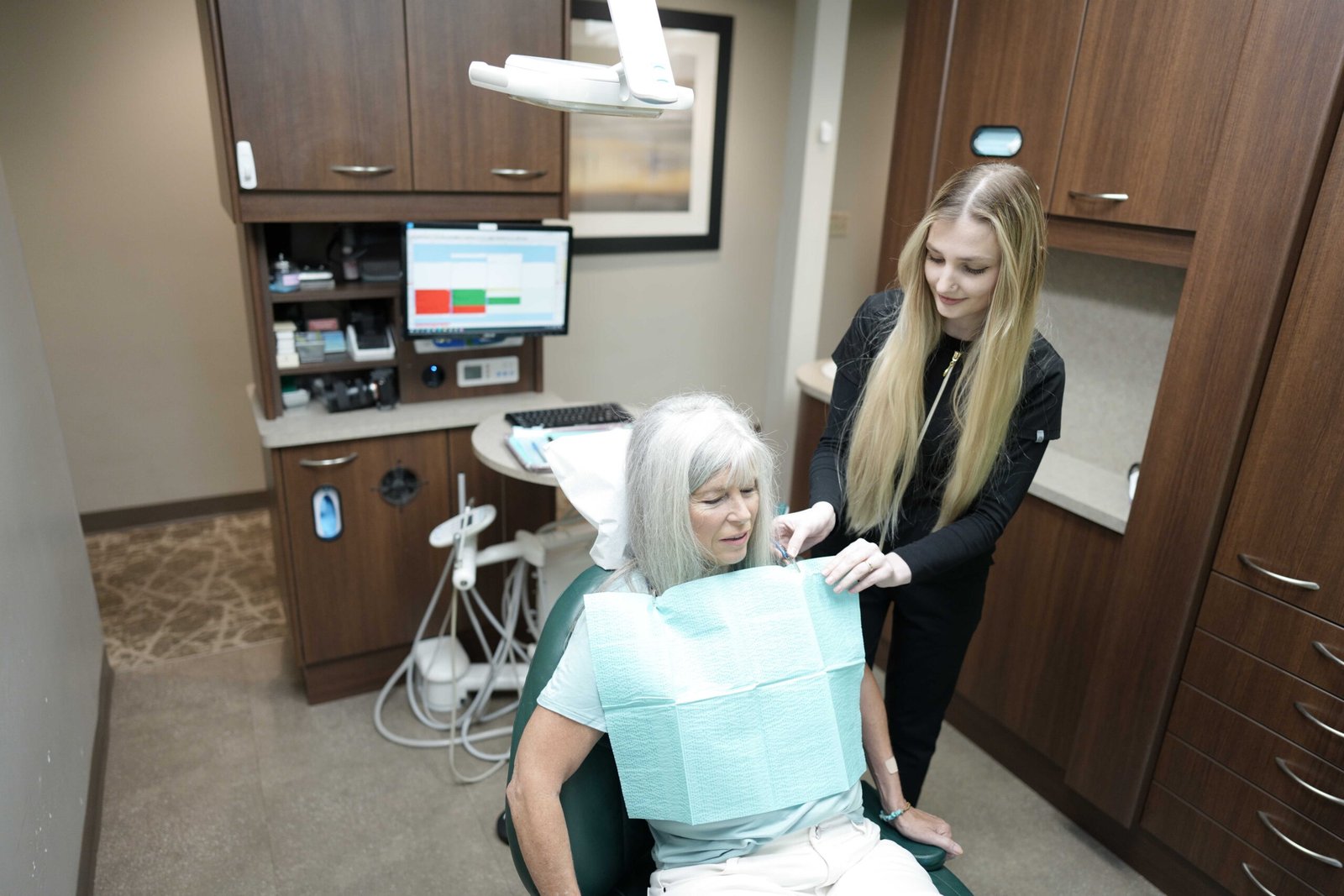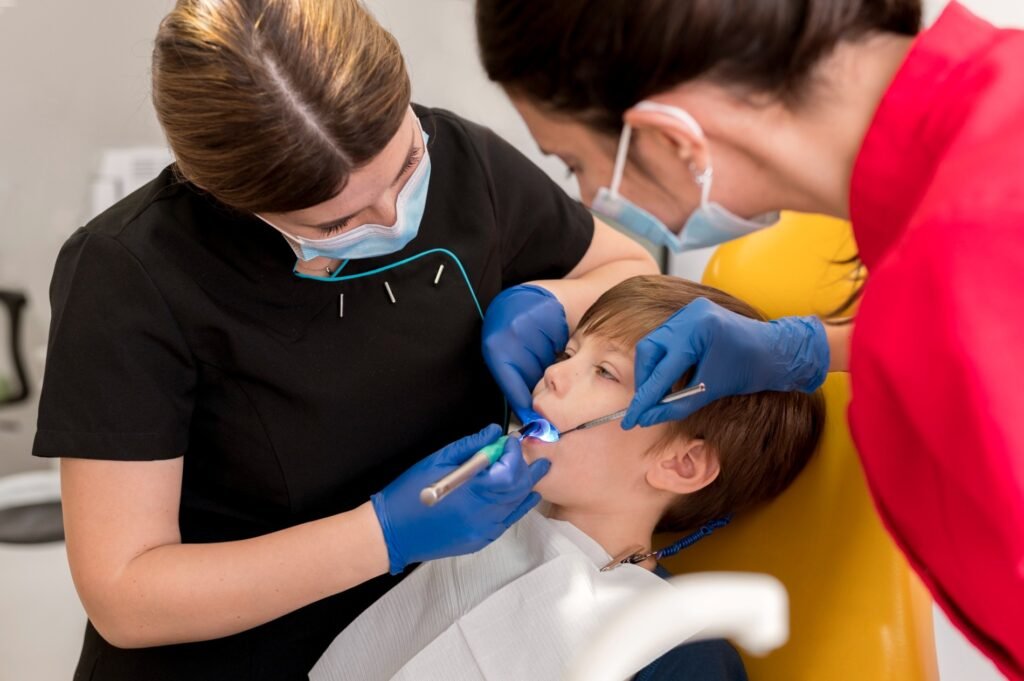
A First Dental Visit can feel unfamiliar for both parents and children. Many families searching for a pediatric dentist federal way want an experience that feels calm, comfortable, and reassuring. Finding a provider who focuses on gentle care and understands childhood dental anxiety can help children feel more relaxed during their first visit. Parents also value clinics that can provide support for urgent dental care and emergency concerns when needed.
Early dental visits play an important role in building healthy oral habits and helping children become comfortable with routine checkups. Positive experiences during childhood may reduce dental anxiety later in life and encourage long term oral health care.
Families interested in learning more about dental visits, patient forms, and appointment preparation can explore patient resources and dental visit information available through Precision Dental Care.
Why the First Dental Visit Matters
A first dental appointment is about more than checking teeth. It also introduces children to the dental environment and helps them become familiar with routine oral healthcare.
Children who attend early appointments often develop healthier oral hygiene habits and become more comfortable during future visits. Dentists can also monitor oral development and identify concerns before they become more serious.
The first visit may include a gentle examination, discussion about brushing habits, and recommendations for preventive care.
Talk About the Dental Visit Positively
Children often respond to the emotions and language used by parents. Calm and positive conversations about dental visits may help reduce fear and uncertainty.
Parents should avoid using words that sound frightening or discussing negative dental experiences in front of children. Instead, explain that the dentist helps keep teeth healthy and strong.
Simple explanations may help children feel more prepared and less anxious before the appointment.
Choose the Right Appointment Time
Scheduling can affect how children behave during dental visits. Appointments during times when children are well rested may lead to a smoother experience.
Morning appointments are often helpful for younger children because they may feel more energetic and cooperative earlier in the day. Avoid scheduling during nap times or after busy activities whenever possible.
Helpful preparation tips include:
- Ensure children get enough sleep
- Offer a healthy meal before the visit
- Arrive early to avoid rushing
- Bring a favorite comfort item if needed
- Stay calm during the appointment
A relaxed schedule may help children feel more comfortable during the visit.
Explain What Happens During a Dental Checkup
Children may feel less nervous when they understand what to expect. Parents can explain the dental visit in simple and reassuring language.
Dentists often count teeth, look at the gums, and gently clean the teeth during routine appointments. Some offices may also use small mirrors or cameras to examine the mouth more carefully.
Avoid giving too much detail about dental instruments or procedures if they are not necessary for the child’s age and understanding.
Why Preventive Dental Care Is Important
Preventive dental care helps children maintain healthier teeth and gums while reducing the risk of future problems. Routine checkups may identify cavities, alignment concerns, or oral hygiene issues early.
Preventive care may include:
- Dental cleanings
- Oral examinations
- Fluoride treatments
- Oral hygiene education
- Monitoring tooth development
Regular dental visits may also help children feel more familiar with the dental office over time.
Helping Children With Dental Anxiety
Dental anxiety is common among children, especially during first visits. Fear of unfamiliar environments, sounds, or instruments may cause nervousness before the appointment.
Parents can support children by remaining patient and reassuring throughout the experience. Dental teams who work with children often use gentle communication and calm explanations to help young patients feel more relaxed.
Children may become more cooperative when appointments are presented as normal and positive experiences rather than stressful events.
When Urgent Dental Care May Be Needed
Although many first visits involve routine preventive care, some children may require urgent dental care because of accidents, pain, or infections.
Sudden tooth pain, swelling, or injuries should not be ignored because delays may allow problems to worsen. Parents searching for emergency dental federal way services often want quick treatment and reassurance during stressful situations.
Common pediatric dental emergencies may include:
- Toothaches
- Broken teeth
- Swollen gums
- Dental injuries from falls
- Loose or knocked out teeth
Immediate evaluation may help reduce discomfort and prevent additional complications.
Understanding Tooth Pain Relief for Children
Tooth pain relief is often a concern for parents when children experience discomfort unexpectedly. Tooth pain may result from cavities, injuries, infections, or gum irritation.
Children with ongoing pain should receive professional evaluation to determine the underlying cause. Delaying care may allow symptoms to become more severe.
Temporary steps that may help before the appointment include:
- Rinsing gently with warm water
- Using cold compresses
- Avoiding very hot or cold foods
- Keeping the mouth clean
- Following professional guidance for pain management
Professional treatment is important for identifying and addressing the source of discomfort. More detailed preparation tips and patient guidance can be found on the patient resources for dental care.
What to Expect During Emergency Dental Visits
Emergency dental federal way appointments often focus on relieving discomfort quickly while evaluating the affected area carefully.
Dentists may examine the teeth, gums, and jaw to determine whether additional treatment is needed. X rays may also be recommended in certain situations.
Emergency dental care may involve:
- Evaluating injuries
- Treating infections
- Addressing tooth pain
- Stabilizing damaged teeth
- Planning follow up treatment
Quick care may help reduce stress for both parents and children during urgent situations.
How Parents Can Create Positive Dental Habits
Healthy habits at home can support a child’s long term oral health and reduce the likelihood of dental emergencies.
Parents can encourage children to brush and floss consistently while also limiting sugary snacks and drinks.
Helpful oral hygiene habits include:
- Brushing twice daily
- Flossing regularly
- Drinking water throughout the day
- Limiting sugary foods
- Attending routine dental checkups
Consistent habits often help children develop healthier smiles as they grow older.
Why Local Dental Care Matters for Families
Families often prefer nearby providers because local care makes appointments easier to manage and follow up visits more convenient.
A trusted pediatric dentist federal way may help children feel more familiar and comfortable with dental visits over time. Consistent care from the same dental team can also improve communication and long term oral health monitoring.
Local dental offices may also provide support for urgent dental care and emergency situations when unexpected problems occur.
Helping Children Feel Calm During the Visit
Parents play an important role in helping children stay calm before and during appointments. Children often notice adult emotions and reactions closely.
Simple ways to reduce anxiety may include:
- Speaking calmly about the appointment
- Praising cooperative behavior
- Avoiding pressure or punishment
- Allowing children to ask questions
- Staying patient throughout the visit
Positive reinforcement may help children feel more confident during future dental appointments.
Conclusion
Preparing children for their first dental visit can help create a more comfortable and positive experience. Choosing a pediatric dentist federal way who focuses on gentle care, preventive dentistry, and patient reassurance may help children feel more relaxed during appointments.
From routine checkups to urgent dental care situations, early preparation and supportive communication can improve a child’s confidence and long term oral health habits. Families who understand what to expect often feel more prepared during both regular visits and emergency dental federal way situations.
Parents interested in scheduling an appointment or learning more about dental care options can connect through the Precision Dental Care contact page.
FAQs
1. When should a child have their first dental visit?
Many dentists recommend scheduling the first dental appointment around age one or when the first tooth appears. Early visits help monitor oral development and build healthy habits.
2. How can I help my child feel less nervous about the dentist?
Parents can speak positively about dental visits and avoid discussing negative experiences. Calm preparation and reassurance often help reduce anxiety.
3. What happens during a child’s first dental checkup?
The dentist may gently examine the teeth, gums, and mouth while discussing brushing habits and preventive care. Some visits may also include a light cleaning.
4. When should parents seek urgent dental care for children?
Parents should seek urgent dental care if children experience severe tooth pain, swelling, broken teeth, or oral injuries. Quick treatment may help prevent complications.
5. Can emergency dental federal way services help children with tooth injuries?
Yes, emergency dental federal way providers commonly treat pediatric dental injuries and sudden tooth pain. Early evaluation may improve treatment outcomes.